FBC Manby Bowdler
Legal services
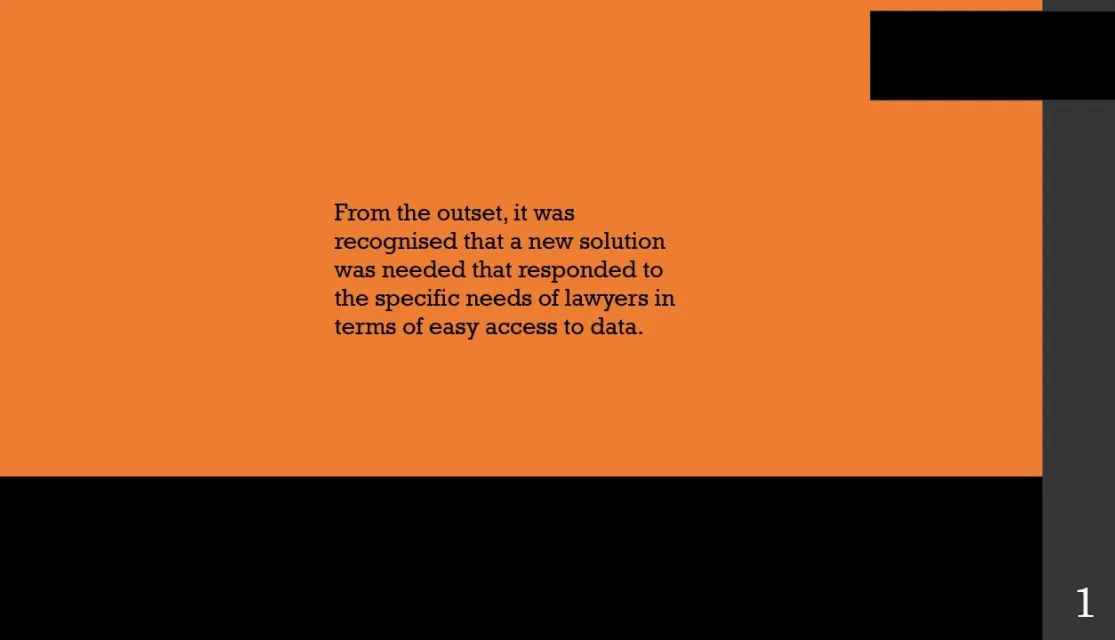
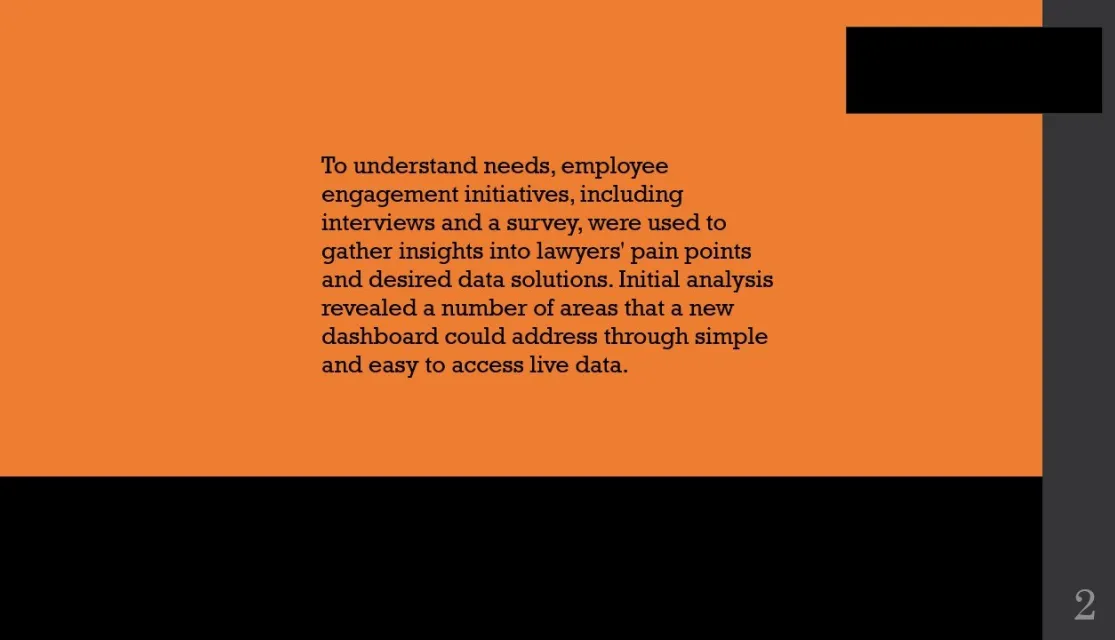
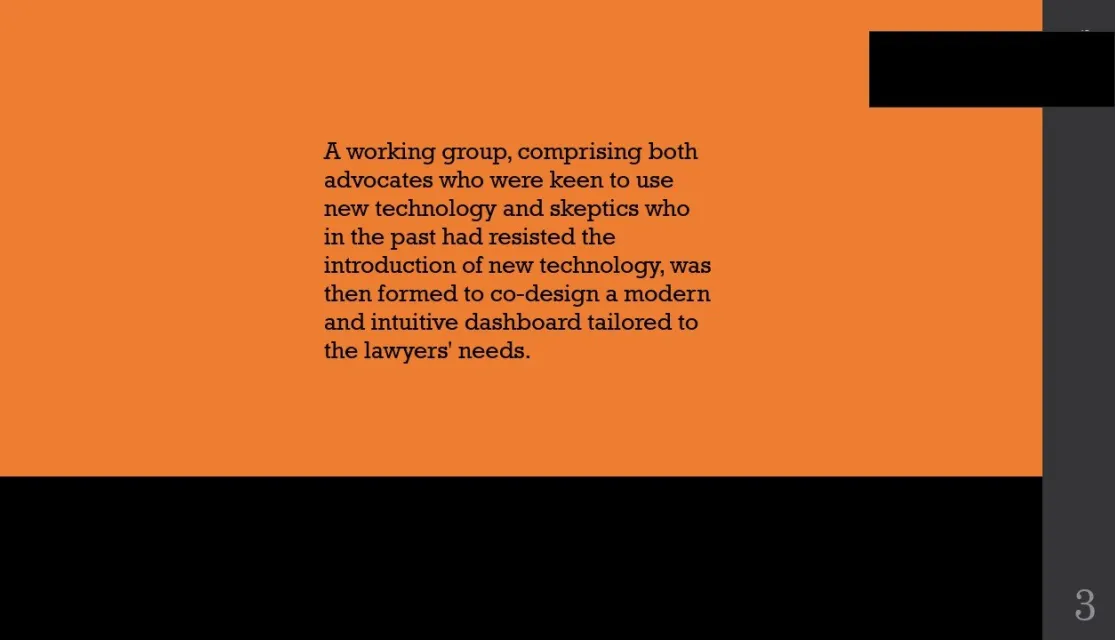
Lawyers at Wedlake Bell faced frustrations with administrative inefficiencies and an underutilized dashboard system that failed to meet their needs. A new solution was required to enhance decision-making and streamline workflows while improving efficiency and profitability.

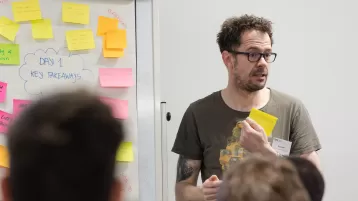
In this video, David explains how the real challenge, and value, came from driving adoption, engaging users, and choosing a project that could realistically succeed.
You’ll hear how understanding user pain points, involving people early, learning from peers, and celebrating success all played a role in turning a long‑standing idea into a delivered and adopted solution.
As you watch, think about how these lessons apply to your own organisation - especially if you’ve ever struggled to turn good ideas into real outcomes.
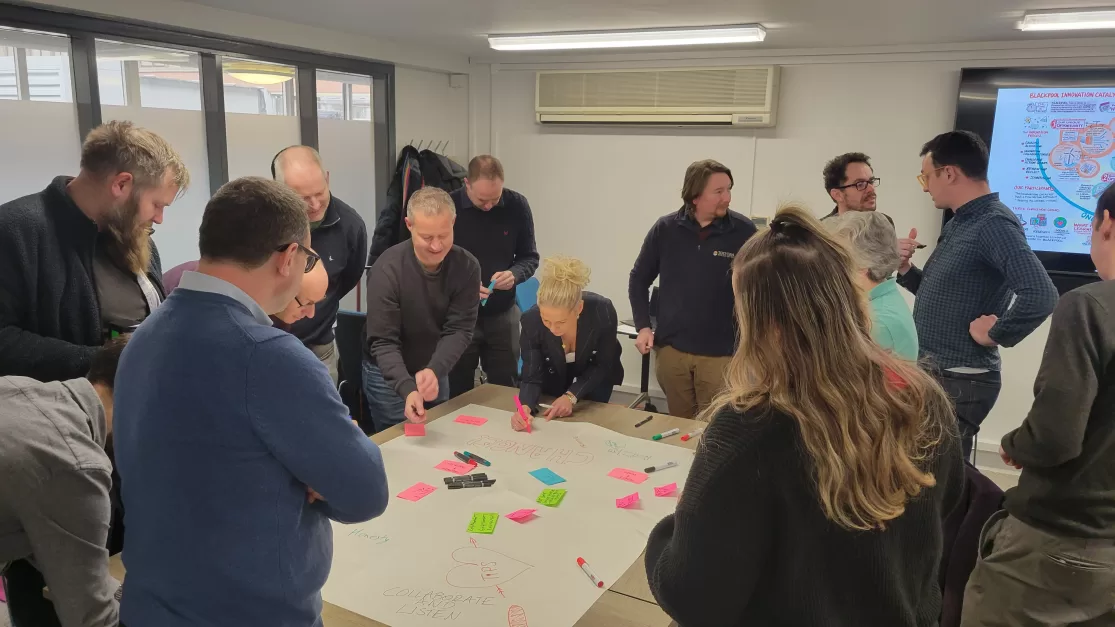
Technology projects rarely fail because of the tools, as David notes, they struggle because of adoption, engagement, and execution.
This short quiz is designed to help you reflect on what really drives success: understanding user needs, choosing the right scope, learning from peers, and building momentum through visible wins.
As you work through the questions, focus less on “getting the right answer” and more on how each scenario applies to your own organisation. The goal is to surface practical insights you can use to turn good ideas into solutions that are not only delivered, but truly adopted and valued.
Professional services firms often assume they need new tools, when in reality they already have under‑used technology. Wedlake Bell’s experience shows the importance of stepping back and asking whether the barrier is technical capability or human behaviour. Firms should assess usage, confidence, and workflow alignment before investing further.
Lawyers and accountants are unlikely to engage with technology because it is “innovative” or “powerful.” They adopt it when the message is framed around outcomes they care about: better client insights, reduced admin, or stronger decision‑making. Communication must focus on personal and professional value, not functionality.
How do you effectively balance internal IT expertise with external technology partners?
In this next video, David reflects on the role of trusted technology partners, the challenges of navigating an increasingly crowded and fast‑moving tech landscape, and the importance of governance, security, and data access when adopting new tools including dashboards and emerging technologies like AI.
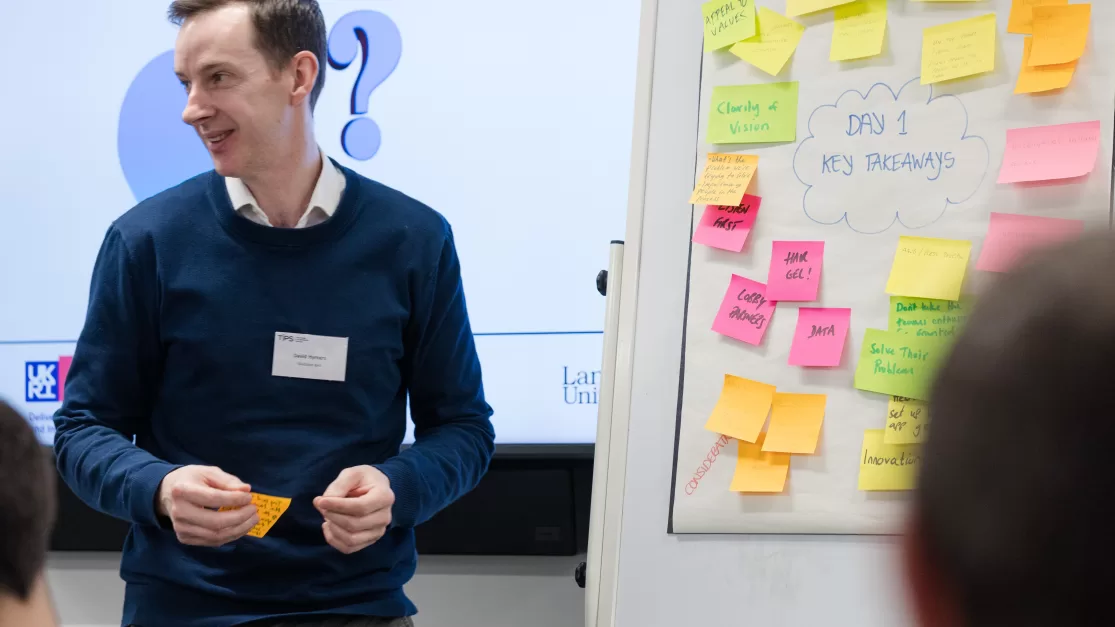
You heard from David how digital adoption isn’t just about choosing the right technology - it’s about making informed decisions in complex, fast‑moving environments.
Wedlake Bell take a strategic approach to utilising the benefits of external advisors, but how do you (or your firm) engage with external expertise?
These five quick-fire questions will make you think deeper about the potential benefits of following a similar pathway to technology adoption.
Internal storytelling matters. By publicising quick wins and concrete results, IT teams can build trust with senior leadership. Small successes create momentum, justify further funding, and shift technology from a perceived cost centre to a strategic enabler.
In busy professional services environments, IT teams rarely have spare bandwidth. Choosing a focused, achievable initiative allows teams to deliver meaningful results within realistic constraints. A successful small project is often more valuable than an ambitious initiative that fails or stalls.
“My hope is that if we model it correctly and show some wins then when we roll it out we will have something that that we can demonstrate works and saves time. This will set a precedent for a future projects, and be an easier sell”
 Tom Allfree
Partner
“Engagement is key. There needs to be a real question that is being answered that stakeholders can understand and get behind. Need to be respectful of people's time they are able to commit to the project and design the project around this. Need to break the project down into manageable portions, and focus on getting early wins – deliverables, with which to build momentum and buy in.”
 David Hymers
IT Director
Learn from the Wedlake Bell journey and access the tools that made their success possible